Growing together with expressive art
Emotional intelligence through art
An innovative path co-funded by the European Union to develop the emotional intelligence, self-awareness and psychological well-being of adolescents (13-17 years old) through the languages of art.
Project code: 2025-1-IT02-KA220-SCH-000352043

What is Emotion in Motion
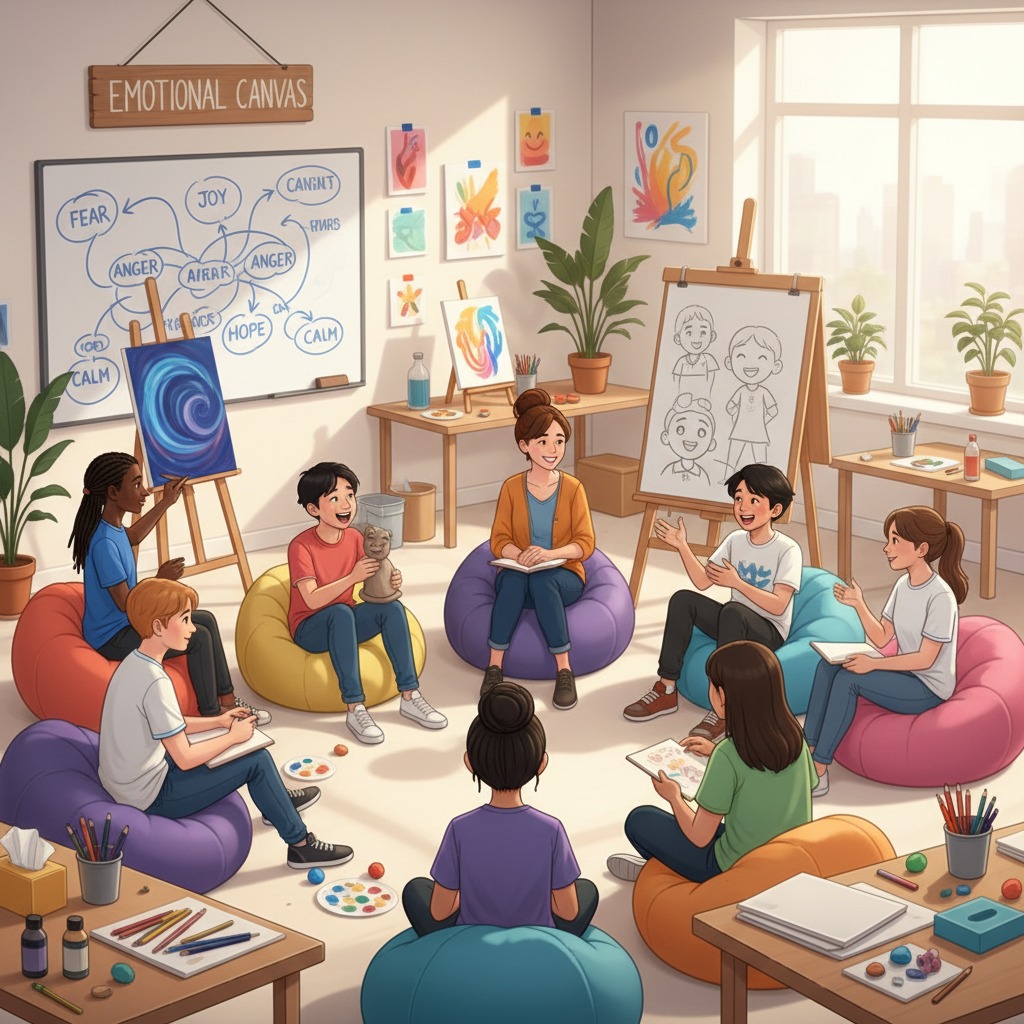
Emotion in Motion is designed to address the growing emotional and social fragility of young people. The project combines art, psychology, and education to offer teenagers a safe space for expression.
Through a multimodal approach, the workshops help young people recognize, name, and regulate their emotions, promoting social inclusion and preventing mental distress.
The Four Pedagogical Pillars
The training path is developed on four fundamental and interconnected pillars:
Emotional Literacy

Learning to recognize, name, distinguish and express emotions (sadness, anger, fear, joy, anxiety, empathy).
Self-awareness

Promote introspection, self-observation, listening to the self, and reading one’s inner world.
Emotional Regulation

Develop strategies for containment, release, grounding, and management of internal states through the body.
Social Skills
Cultivate profound empathy, master the art of active listening, refine nuanced communication, foster seamless cooperation, and elevate your relational problem-solving capabilities to build much stronger and deeply meaningful connections with everyone around you.
Our Outputs
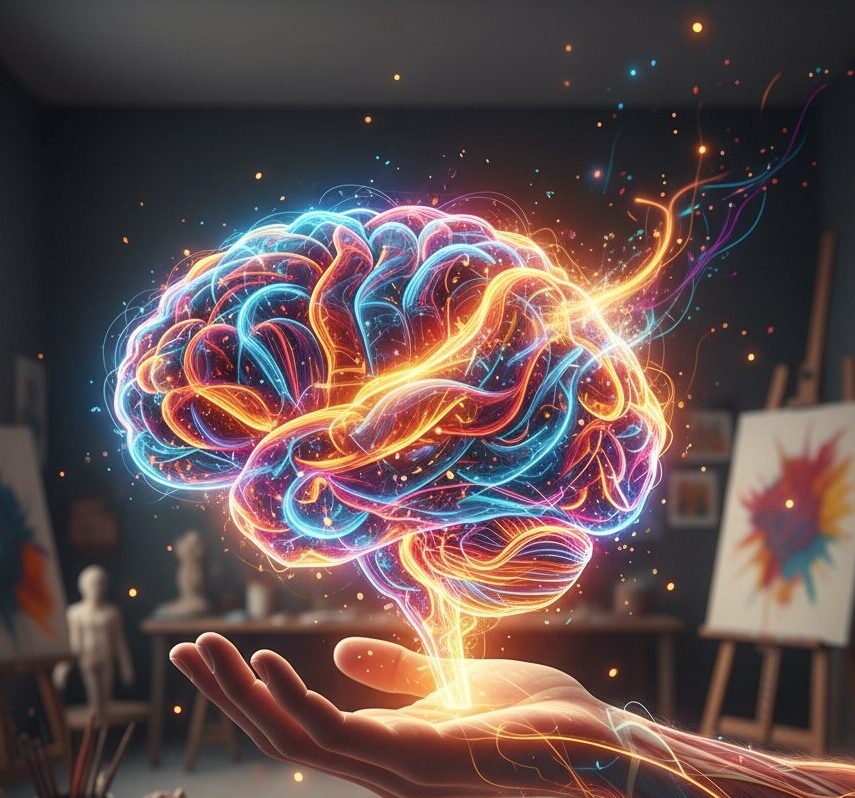
Empowering Educators
Innovative methodologies, hands-on mini-guides, and 4-step structured workshops to support teachers and educators in bringing emotional well-being into the classroom.

Cinema as a Mirror
Engaging short films, cinematic clips, and projective photography designed for teenagers (13–17) to make emotions visible, recognizable, and easy to discuss.

The Body Speaks
Immersive dance-movement therapy and sound experiences that help adolescents connect with their inner world, release tension, and express complex feelings safely.
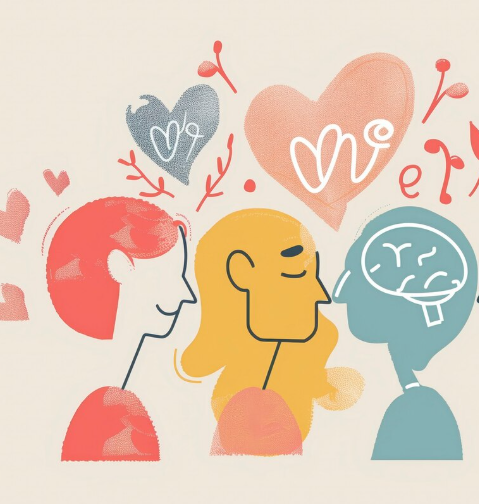
Empowering Educators
Innovative methodologies, hands-on mini-guides, and 4-step structured workshops to support teachers and educators in bringing emotional well-being into the classroom.
Through the Erasmus+ Emotion in Motion project, we offer practical tools and creative pathways to unlock emotional intelligence in young people.
Practical tools and creative pathways:
Expressive photography
workshop

Periode: 10/01/27 – 10/05/27

IT, RO, PL
Engaging short films, cinematic clips, and projective photography designed for teenagers (13–17) to make emotions visible, recognizable, and easy to discuss.
Film and Storytelling
Workshop
Periode: 10/01/27 – 10/05/27
IT, RO, PL
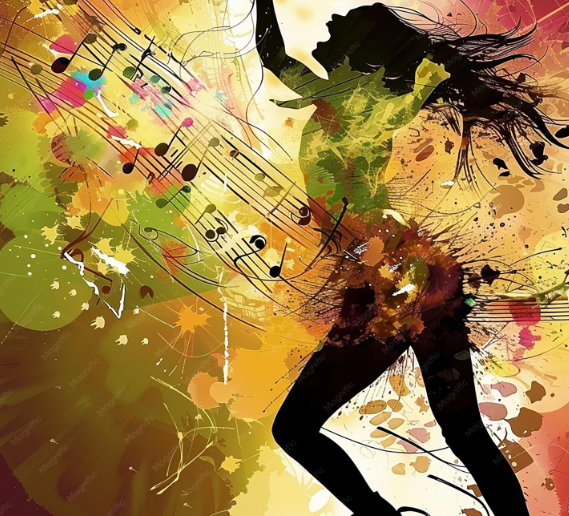
Immersive dance-movement therapy and sound experiences that help adolescents connect with their inner world, release tension, and express complex feelings safely.
3. Teacher Training & Toolkits: Empowering Educators
Periode: 10/01/27 – 10/05/27
IT, RO, PL
Innovative methodologies, hands-on mini-guides, and 4-step structured workshops to support teachers and educators in bringing emotional well-being into the classroom.
Disclaimer: Funded by the European Union. Views and opinions expressed are however those of the author(s) only and do not necessarily reflect those of the European Union or the European Education and Culture Executive Agency (EACEA). Neither the European Union nor the EACEA can be held responsible for them.